Expanding Learning Access
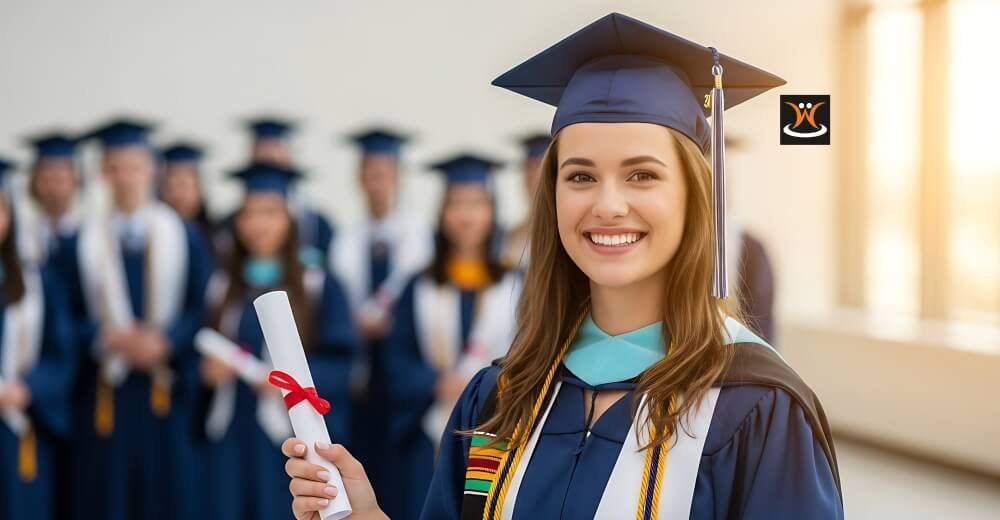
Education has always been a powerful tool. It shapes how people think, work, and live. For a long time, that tool was not equally available to everyone. Doors that were wide open for some remained closed for others, especially for girls and women. But something has been shifting quietly and steadily across communities around the world. Women breaking barriers in education is not just a phrase. It is a lived reality that is reshaping societies from the ground up.
Social and Economic Barriers to Learning
To understand how far things have come, it helps to look at what once stood in the way. Tradition played a large role. In many parts of the world, a woman’s role was tied to the home, cooking, caring and keeping the household running. Schooling was seen as something she simply did not need, or something that pulled her away from what society called her true purpose.
Money also mattered. When families had limited resources, boys were often chosen over girls for schooling. The thinking was simple and deeply flawed: boys would earn, so boys should learn. Girls would marry, so why invest? Geography added another layer. Rural areas often lacked schools altogether. Even where schools existed, safety concerns kept many families from sending their daughters out alone. These were not small obstacles. They were walls. But walls can be broken.
From Exclusion to Equal Opportunity
The conversation has changed in meaningful ways. Today, there is a growing global understanding that learning is not a reward for a few; it is a right for all. Policies have been rewritten. Slowly, the thinking within communities has begun to change. And driving that change are the women who never accepted the idea that their minds were worth less than anyone else’s.
Women breaking barriers in education has become a movement driven not by outsiders deciding what is best, but by women and girls demanding what is theirs. Mothers who never finished school are making sure their daughters do. Young women who faced early pushback are now becoming teachers and mentors themselves.
Knowledge Creates Generational Change
When a woman receives an education, the benefits do not stop with her. They spread outward in ways that are quiet but powerful. Her children are more likely to go to school. Her household tends to be healthier. Her community gains a voice that was previously silent. An educated woman brings knowledge into spaces that previously lacked it, homes, local markets, village councils, and beyond.
This ripple effect is why expanding learning access is about far more than filling seats in classrooms. It is about transforming the quality of everyday life for entire communities.
Flexible Learning for a Changing World
One of the most exciting developments in recent times is how learning itself has changed. It is no longer confined to a brick building with a chalkboard. Technology has opened up entirely new ways to access knowledge.
Online platforms, mobile learning tools, and community-based programs have made it possible to reach women who would otherwise have no access to formal education. A woman in a remote area can now work through coursework on her phone. A working mother can study after her children go to sleep. These flexible pathways have made learning possible for people who once had no realistic option.
Women breaking barriers in education today include women who are finding their way through these new digital doors, sometimes while managing households, jobs, and families all at once.
Role of Communities in Expanding Education
Progress does not happen because of one person or one policy. It happens because communities decide, together, that things should be different. When families begin to see educated daughters as a source of pride rather than a disruption of tradition, everything starts to shift.
Local leaders, educators and community organizations all have a part to play. Creating safe paths to schools, funding scholarships, and offering flexible programs; these are decisions made at every level of society, and they each matter. Women breaking barriers in education is also the story of the communities that chose to support them.
Looking Ahead
Progress has been real. But the work is far from finished. Many girls around the world still face daily struggles just to sit in a classroom. Many women carry potential that the world has not yet made room for. Expanding learning access means staying committed even when the progress feels slow. It means continuing to ask who is still being left out and doing something about the answer.
Women breaking barriers in education is not a chapter that closes neatly. It is an ongoing story, one that grows richer with every woman who earns knowledge that was once denied to her and uses it to build something better. The barriers are real. But so is the will to break them.